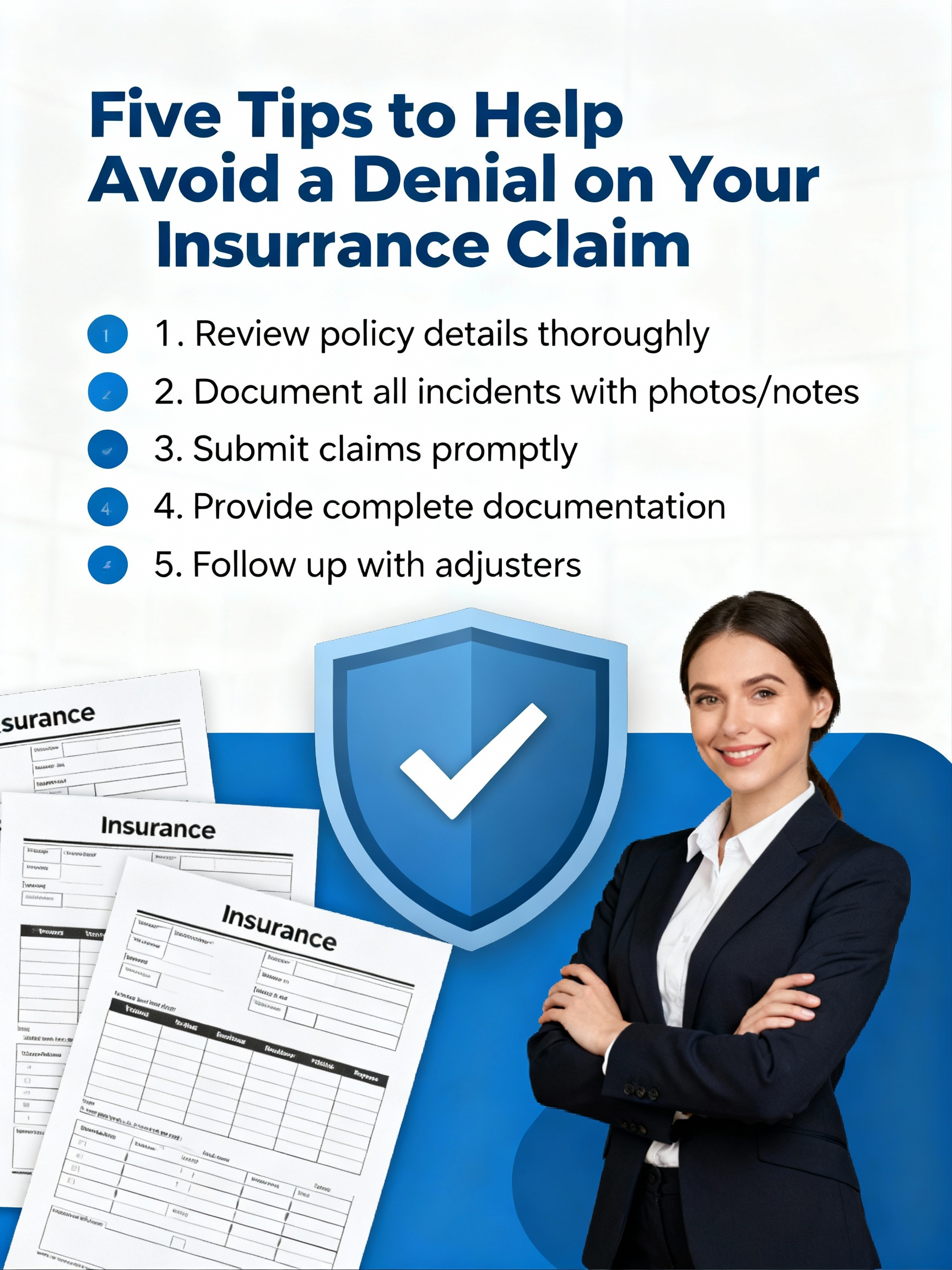
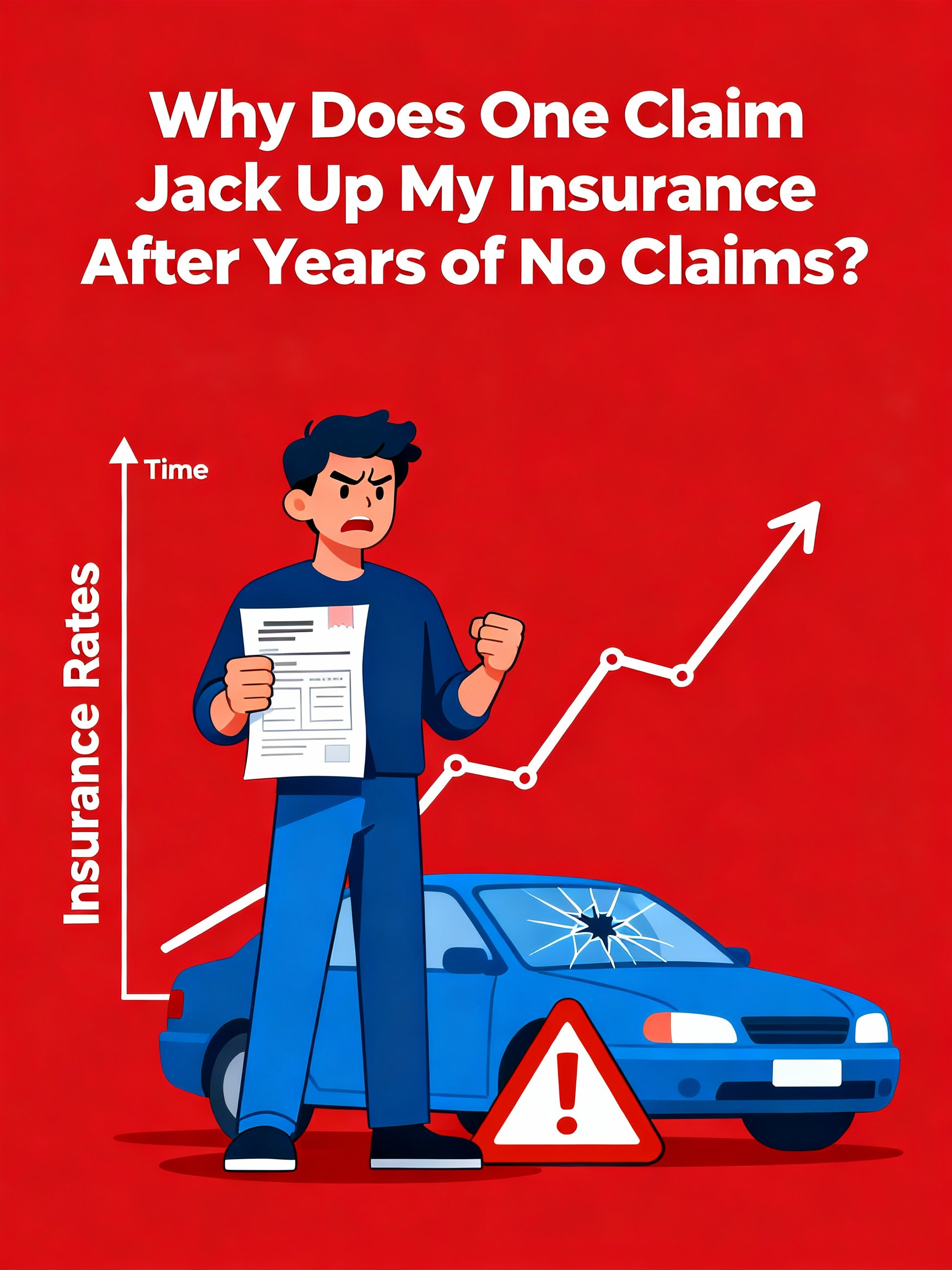
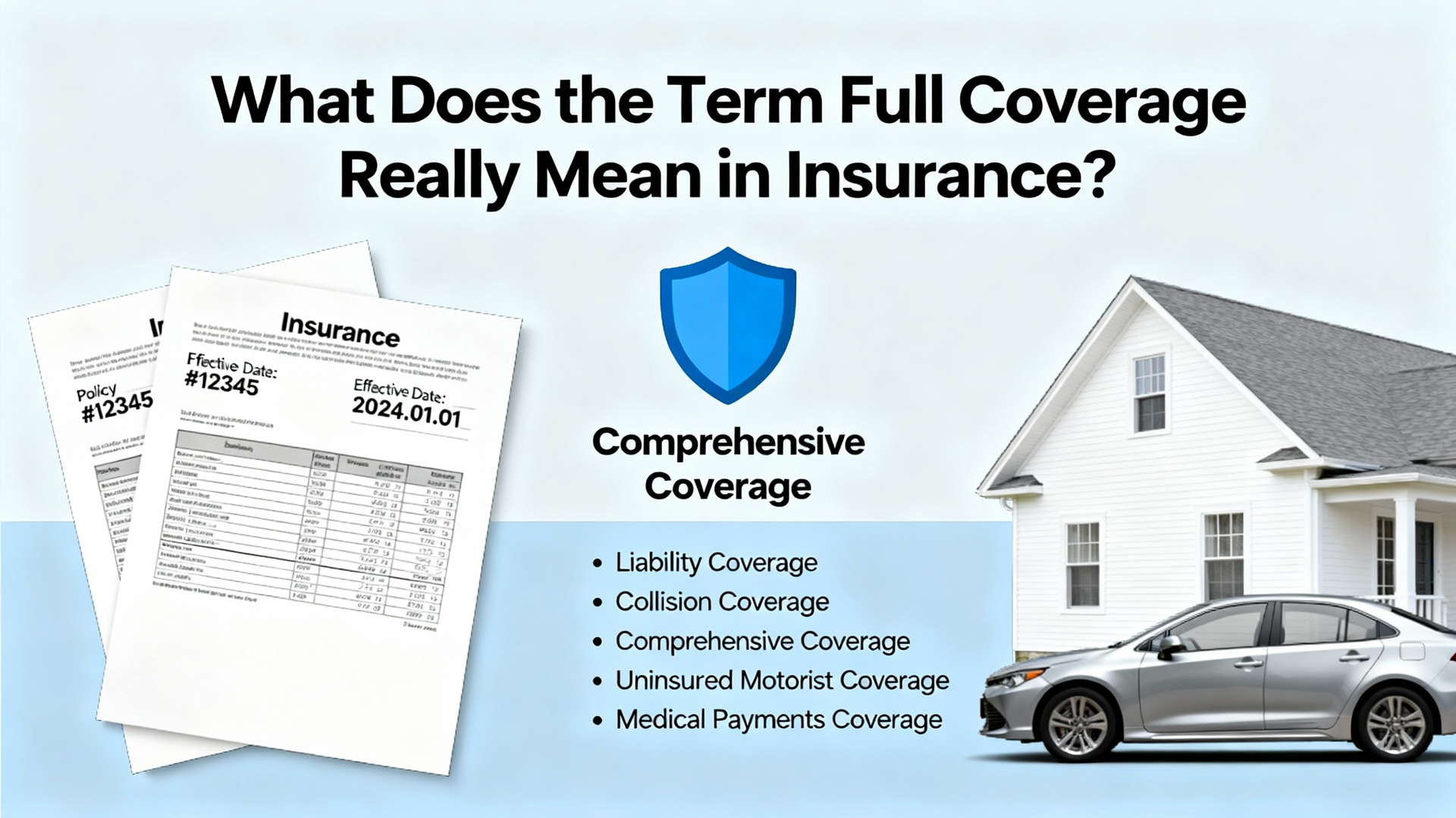
After a hailstorm, many drivers find their vehicles damaged, from dents and cracked windshields to other severe impacts. Although this damage might seem minor, it can become costly if you don't know how to navigate the insurance claim process effectively. This guide will take you through the steps you should follow—from assessment to repair—to ensure you're fully protected under your auto insurance.
Step 1: Assess the Damage Safely and Quickly
The first thing you should do after a hailstorm is inspect your vehicle, but only when it’s safe. Wait for the storm to pass and conditions to clear up before going outside.
Once it’s safe, walk around your vehicle and check for dents, cracked glass, or any other visible signs of damage. Be sure to inspect all areas of the car, including the roof, hood, and trunk, as hail damage is often uneven.
Pro Tip: Document Everything Immediately
Using your smartphone, record a short video (5–10 seconds) showing your car’s damage and the hail still on the ground. This footage can help your insurance company quickly verify the timing and extent of the damage.
Step 2: Get a Professional Inspection
Even if the dents seem minor, it's important to get a professional opinion. Many body shops offer
free inspections and estimates for hail damage. This inspection will ensure that no hidden damage, such as structural stress or cracked paint, goes unnoticed.
Reputable repair shops can also help you understand whether the damage is severe enough to warrant a claim, and they may even assist in directly communicating with your insurance adjuster during the repair process.
Step 3: Review Your Auto Insurance Coverage
Before filing your claim, review your auto insurance policy. Hail damage falls under
comprehensive coverage, not collision coverage.
Comprehensive insurance covers damage from incidents like:
- Hail
- Falling objects
- Theft or vandalism
- Fire
- Flooding
- Animal strikes
If you only have
liability insurance, hail damage won’t be covered. It’s crucial to maintain comprehensive coverage, especially if you live in a region prone to hail storms.
Note: Be sure to check your deductible. If the repair costs are near or below your deductible, it might not be worth filing a claim.
Step 4: Weigh the Cost Against Your Deductible
Your deductible is the amount you pay out of pocket before your insurer covers the remaining costs. For example, if your deductible is $1,000 and the repair cost is $1,200, it may not make sense to file a claim.
However, if the damage is extensive—say, $3,000 or more—filing a claim is typically worthwhile. Also, consider the long-term implications of leaving hail damage unrepaired. Even moderate dents can affect your car’s resale value or lead to rust and paint deterioration, making a claim necessary for preserving your vehicle's condition.
Step 5: File Your Claim Promptly
Filing your claim promptly is essential, especially after major storms when insurers experience a surge of claims. Delays can result in longer wait times for adjusters and repairs.
You can often file a claim online or through your insurer’s mobile app. Be sure to attach photos or videos of the damage to help speed up the process. Once filed, an insurance adjuster will assess the damage and determine repair costs.
Step 6: Know Your Repair Options
Hail damage is usually repaired in one of two ways:
- Paintless Dent Repair (PDR)
PDR uses specialized tools to push out dents from behind the vehicle’s panels without repainting. It’s quicker, cheaper, and preserves the vehicle’s original factory finish. - Traditional Auto Body Repair
For deeper dents or damage that requires repainting, traditional auto body repair methods will be necessary.
Your insurance adjuster will guide you on which method is best based on the severity of the damage.
Step 7: Avoid Common Claim Mistakes
While hail damage claims are generally straightforward, there are a few common mistakes to avoid:
- Failing to Document Damage Immediately: Without proper documentation, such as timestamped photos or videos, it’s harder to prove that hail caused the damage.
- Making Temporary Repairs Before Inspection: Wait for the adjuster to inspect your vehicle before making repairs. Premature repairs can complicate or even invalidate parts of your claim.
- Filing Too Late: Most insurers have strict time limits (usually 30 to 60 days) for reporting hail damage. Delays can lead to claim denials.
- Skipping Comprehensive Coverage: If you live in an area prone to hailstorms, don’t drop comprehensive coverage to save money. One hailstorm can cost thousands of dollars in repairs.
Step 8: Protect Your Vehicle for Future Storms
While you can’t always prevent hailstorms, you can take steps to protect your vehicle before the next storm hits:
- Park in a garage or carport during storms.
- Cover your vehicle with thick blankets, a car cover, or even cardboard if shelter isn’t available.
- Monitor weather alerts using apps like Fox 35 Storm Team Weather App to get real-time notifications about hailstorms in your area.
The Bigger Picture: Weather Volatility and Insurance Awareness
Hailstorms are part of a larger pattern of increasing weather volatility. As weather events like hailstorms and flooding become more frequent, insurers are seeing more costly claims. This has contributed to rising premiums for comprehensive coverage. However, having comprehensive coverage remains essential, especially for drivers who rely on their vehicles daily.
Key Takeaways
Action Step Why It Matters
Inspect and document damage immediately Provides proof for insurance and helps speed up claims
Get a professional inspection Ensures an accurate repair estimate and helps avoid surprises
Check your deductible Helps determine whether filing a claim is worthwhile
File quickly Avoids backlogs and delays in claim processing
Use PDR when possible Saves time and preserves your car’s value
Keep comprehensive coverage Protects against weather-related damage
Final Thoughts
While hailstorms are unpredictable, your response doesn’t have to be. By acting quickly, documenting thoroughly, and understanding your insurance coverage, you can avoid costly mistakes and ensure a smooth repair process.
As highlighted in the FOX 35 Orlando report, even small actions—like capturing a quick video of the hail on the ground—can make a significant difference in protecting your finances. Your car may not be able to avoid the next storm, but with the right insurance knowledge, you can weather it wisely.